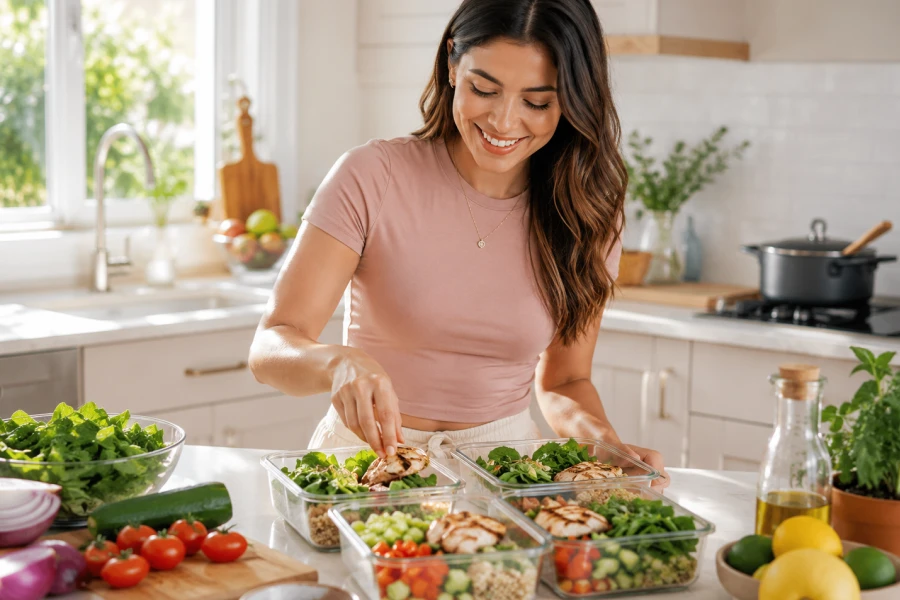
Starting fresh with food can feel harder than it needs to be. The internet often turns one ordinary dinner into a collection of rules, lists, and expensive ingredients. A clean eating meal plan for beginners should make the first week quieter, not more complicated. Begin with foods you already know how to cook and enjoy. Choose a small number of meals that can appear in more than one form. That reduces the pressure to invent a new answer every night. Your first goal is not culinary perfection. It is to make a few nourishing choices feel easy enough to repeat. When the process fits your actual kitchen, it becomes much easier to trust. A sensible plan makes dinner feel more available, not more demanding.
Fewer choices can create more follow-through during the first few days. Pick two breakfasts, two lunches, and three dinners before filling the cart. Keep the meals familiar enough that you can cook them without searching for a complicated method. Let clean eating meal ideas inspire you, but do not mistake inspiration for a requirement. A simple rotation removes much of the weekday decision fatigue. Repeating a meal is not boring when it gives you more time back. Adjust flavors, sauces, or produce as you go. Your list should make grocery shopping easier, not longer. Start with what you will realistically eat. That is a better foundation than a complicated plan you abandon by Thursday.
A useful pantry is less about having every ingredient and more about having helpful combinations. Keep a few shelf-stable basics that can become lunch when the fridge looks empty. Beans, grains, canned fish, sauces, spices, and simple snacks can reduce last-minute takeout. Add freezer items that you like enough to use, not merely admire. Think of the pantry as a quiet support system for busy nights. One dependable base can make a vegetable, protein, or leftover feel more complete. Use the same ingredients across several meals when shopping time is limited. This approach helps you waste less without turning food into a spreadsheet. An ordinary Tuesday is the real test of whether the pantry works. Build for that day first.
A balanced plate does not need strict measurements to feel useful. Start with a satisfying protein, add produce you enjoy, and choose a filling carbohydrate or fat. That structure leaves room for different cuisines and family preferences. Balanced meal planning can be practical when it gives you a framework instead of a food identity. Use the plate as a visual question rather than a test. What would make this meal more sustaining? What could be added without making the cooking harder? Those questions encourage flexibility. They also help you move past the all-or-nothing thinking that makes food feel stressful. The best plate is one you can enjoy and recreate.
Preparation is most useful when it prevents a real problem. Wash produce that you know you will eat soon. Cook one versatile ingredient rather than five full meals at once. Slice, roast, or portion only enough for the days ahead. A healthy meal prep routine and AI meal planning tools can help you build practical backups. Keep a freezer meal, a simple salad kit, or a quick grain option for chaotic nights. This is not a failure of planning; it is planning for reality. Let convenience support the routine instead of treating it as a compromise. The plan should stay useful even when your week changes. Good preparation gives you choices when your energy is low.
Food habits last longer when they leave room for preference and pleasure. A meal can be nourishing without looking identical to someone else’s plate. Make adjustments for budget, culture, appetite, and schedule without apologizing for them. Some weeks will include more cooking, while other weeks will need more shortcuts. Both can fit within a thoughtful approach. Avoid using one restaurant meal or one missed grocery trip as a reason to quit. Return to the next meal with less drama. The plan is there to support you, not evaluate you. Flexibility is what makes ordinary routines durable. Start small enough that the habit still feels generous.
A beginner plan should become easier as it becomes familiar. Notice which meals disappear quickly and which ones create leftovers nobody wants. Use that feedback to trim the plan rather than adding more rules. Grocery lists can get shorter when you learn your true staples. Dinners become calmer when the decision is already half made. Keep the learning curve gentle and specific. You are building a rhythm, not passing a nutrition exam. A few reliable meals can create more confidence than a binder full of untested recipes. Let the next week reflect what worked in the last one. That is how a simple kitchen routine starts to feel like your own.




Leave a comment