
A meal plan can save time, but it can also create a new kind of clutter. Too many recipes, too many ingredients, and too many decisions can make a useful tool feel like another inbox. AI meal planning for healthy eating becomes more valuable when it reduces noise instead of adding it. The most helpful output is often a short list matched to your life during a demanding week. It should respect the time you have, the food you enjoy, and the kitchen you actually use. Think of the tool as a practical assistant, not a voice that knows you better than you do. You remain the editor of the plan. That makes the process more realistic and less intimidating. A good system gives you a starting point, then leaves room for judgment. The goal is a calmer week, not a more elaborate one.
The technology is most useful when it receives useful context. Share practical details such as servings, budget, time limits, and ingredients you already have. Mention foods you dislike so the suggestions feel more relevant. Ask for a short menu rather than a gallery of possibilities. A tool that supports grocery list automation can reduce the repeated work of planning. Still, inspect the list before you buy anything. Check that the quantities, ingredients, and meal ideas make sense for your household. The technology can organize information, but it cannot see inside your refrigerator. Your real-life knowledge remains essential. Use the tool to shorten the planning stage, not replace your common sense.
Specific prompts usually create more useful meal ideas than vague requests. Start with what needs solving this week. Maybe you need five dinners under thirty minutes or lunches that travel well. Perhaps you want to use produce before it spoils. Give the system those real constraints. Then ask for options that repeat ingredients in sensible ways. This approach turns the tool into a planning partner rather than an endless recipe machine. You can also request alternatives for the nights when your schedule changes. The more grounded the input, the more grounded the result. A clear request creates a clearer first draft.
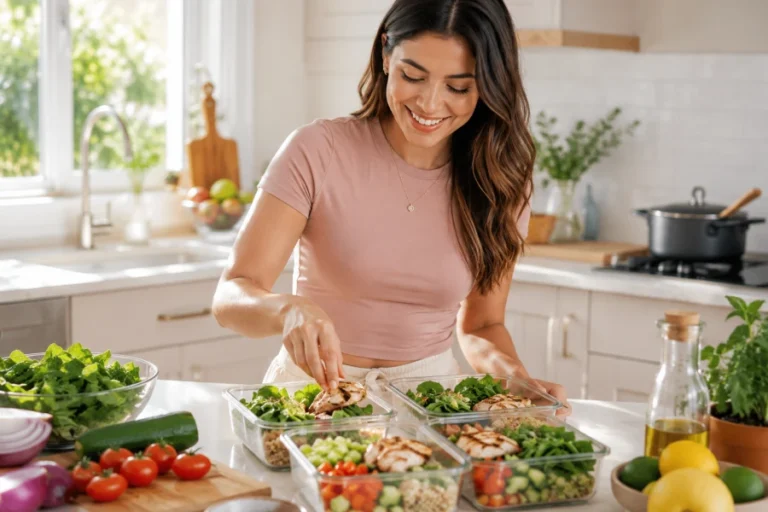
Time savings often come from reducing the number of tiny choices. A plan can group meals around a few components and suggest ways to reuse them. That can make shopping, chopping, and storing feel more organized. Use portion balance habits as a practical lens when reviewing the menu. Ask whether the meals feel satisfying and realistic for the people eating them. Keep familiar favorites in the rotation instead of replacing everything at once. A plan works better when it leaves some decisions already made. It also works better when it does not demand a perfect Sunday preparation session. Look for ways the tool can simplify the work you already do. That is where it earns a place in the routine.
The best plan still has to survive your counter space, cookware, and actual evenings. Read the suggestions with your own kitchen in mind. Swap a complicated recipe for a simpler version when the day already feels full. Notice whether the plan creates too many opened ingredients or too much cleanup. You can ask for fewer pans, more leftovers, or more flexible components next time. This process is not about obeying the output. It is about shaping the output until it serves you. Keep a running list of the meals that truly worked. Over time, that list becomes more useful than any one generated week. Your kitchen is the final editor.
No automated tool should replace professional medical advice or individual nutritional care. It can offer meal ideas and organization, but you should still review suggestions for safety and suitability. Preferences, allergies, cultural needs, and health conditions require human attention. A resource built around low-stress kitchen systems can help keep the focus practical. Treat automated output as a draft, not a command. Adjust portions, ingredients, and timing based on your needs. When a question is personal or health-related, consult an appropriate qualified professional. The useful role of the tool is to reduce planning friction. It should never pressure you into a choice that does not fit your household or schedule. That keeps the process both useful and appropriately modest.
Boundaries make the technology easier to use well. Decide how much time you want to spend with it each week. Give yourself permission to use the same meal plan twice. Avoid generating new choices merely because you can. A stable rotation often makes shopping and cooking calmer. Keep the prompts simple enough that you can repeat them. Let the tool support the parts that feel tedious. Keep the parts that matter personally in your own hands. This balance turns digital planning into something genuinely useful. The result should be more breathing room around food, not more work, worry, or additional scrolling.



Leave a comment